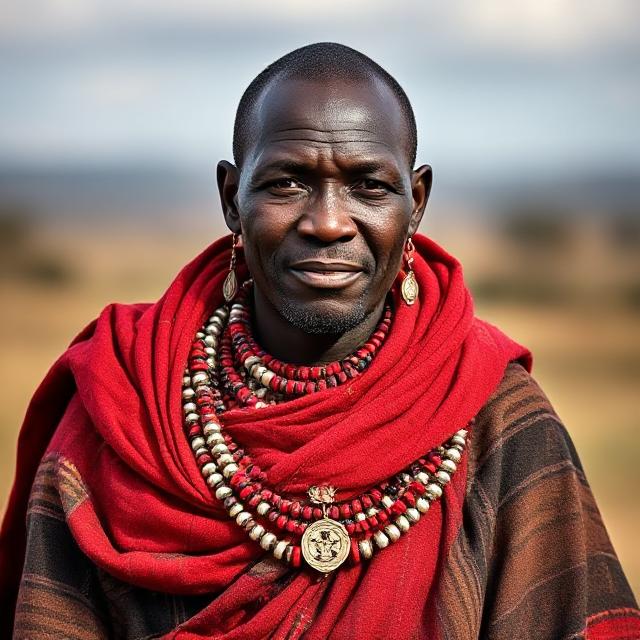


Carry-On Only Kenya Safari: The Ultimate Minimalist Packing Checklist for Short Trips
Imagine stepping onto the Nairobi tarmac with just one bag, ready to experience the raw beauty of the Masai Mara without the burden of checked luggage fees or baggage anxiety. For luxury travelers seeking efficiency without compromise, a carry-on only Kenya safari is not just possible—it's the smartest way to travel.
Kenya's internal airlines operating flights to safari destinations enforce strict luggage restrictions of 15 kilograms total weight per person, including carry-on bags[1]. Rather than viewing this as a limitation, seasoned safari-goers recognize it as an opportunity to embrace intentional, minimalist travel that amplifies the adventure itself. This guide reveals exactly what you need to pack for an unforgettable short-trip safari without sacrificing comfort, style, or functionality.
Why Carry-On Only Makes Sense for Kenya Safaris
Traveling light transforms your entire safari experience. You'll move seamlessly through airports, navigate between camps, and maintain complete control over your belongings throughout your journey. Beyond logistics, a curated carry-on wardrobe forces intentional choices—every piece serves multiple purposes, every item earns its place.
When you book a Kenya safari package with experienced travel specialists, many include insider knowledge about exactly how to optimize your packing strategy. Our Kenya-based team of expert guides understands these weight restrictions intimately and can guide you toward premium safari operators who've refined accommodation logistics specifically for light travelers. Rather than booking direct and navigating these details alone, partnering with Kenya's leading travel agents unlocks better value, exclusive rates, and concierge support that begins before you arrive[1].
The Essential Carry-On Setup: Luggage Type Matters
Soft-sided bags are your safari hero. Duffel bags and folding soft-shell luggage compress far better than rigid suitcases, maximizing your 15kg allowance and fitting seamlessly into safari vehicle cargo spaces[1][5]. Many experienced travelers choose a hard-shell carry-on paired with a compact backpack, ensuring TSA compliance while maintaining flexibility for bush camp storage[5].
Pro tip: If you're booking through a specialized safari operator, ask about baggage storage at their Nairobi headquarters. Many offer complimentary excess luggage storage, allowing you to travel ultralight while keeping reserves for your return journey or multi-destination trip extension[6].
The Minimalist Capsule Wardrobe: Color-Coordinated Strategy
The secret to packing less while looking polished lies in a unified color palette. Choose muted tones—grays, tans, khakis, soft greens, and blacks—that mix and match effortlessly[4]. This strategic approach reduces total items while maximizing outfit combinations.
Tops (Pack: 6-7 pieces)
- 2-3 merino wool or moisture-wicking t-shirts: Merino wool naturally regulates temperature, resists odor after multiple wears, and compresses brilliantly for carry-on packing[2]. These become your foundational pieces.
- 2 safari-style long-sleeved shirts (insect-repellent treated): Long sleeves protect against mosquitoes and intense sun during game drives[2]. Look for lightweight, breathable options that roll up comfortably when temperatures rise.
- 1 merino wool polo or casual long-sleeve shirt: Versatile enough for evening dinners at luxury lodges while maintaining the earthy, functional aesthetic[2].
- 1 silky blouse or dressy top: For five-star camp dinners or nights in Nairobi, pack one elevated piece that packs small but delivers impact[2][1].
- 1 lightweight tank top or moisture-wicking base layer: Layering is essential; this works under everything from long sleeves to fleece jackets.
Bottoms (Pack: 4-5 pieces)
- 2 lightweight, convertible pants (treated with permethrin): Convertible zip-off pants maximize versatility—they transform into shorts for warm afternoons and extend to full-length protection for early morning drives[2][5]. Permethrin treatment adds insect defense without additional weight.
- 2 safari shorts (khaki or neutral tones): Choose quick-dry, breathable materials. One pair for daytime wear, one as backup[1].
- 1 lightweight knit or linen casual pant: For travel days and evening wear when full-length coverage feels appropriate[2].
- Optional: 1 lightweight skirt or skort: Compact and versatile for lodge dinners or casual evenings[2].
Layering Essentials (Pack: 3-4 pieces)
Kenya's safari climate demands layering strategy. Early morning and evening game drives can drop to unexpectedly cool temperatures, while midday sun blazes intense[2][4][6].
- 1 merino wool sweater or knit wrap: Lightweight, compressible, and warm without bulk[2].
- 1 fleece jacket or insulating layer: Essential for dawn drives in the Masai Mara and highland areas. Choose breathable fleece that layers easily under rain jackets[1][6].
- 1 lightweight windbreaker or packable rain jacket: Protects against unexpected showers and wind during game drives[1][6].
- Optional: 1 buff wrap or bandana: Protects from dust during drives and weighs virtually nothing[4].
Swimwear & Sleepwear (Pack: 2 pieces)
- 1 swimsuit: Many luxury camps feature infinity pools overlooking wildlife areas—packing one ensures you enjoy this unique amenity[1].
- 1 lightweight sleepwear set: Merino or cotton base layers work double duty—wear them as pajamas and as layering pieces[1].
Evening Outfit (Pack: 1 complete set)
If your Kenya safari package includes stays at five-star lodges or Nairobi city nights, pack one smart-casual dinner outfit: tailored trousers or a simple dress paired with your dressier top[1][7]. This single ensemble covers all after-dark occasions.
Footwear: Four Strategic Pairs Maximum
Shoes consume disproportionate luggage space and weight. Prioritize ruthlessly:
- Safari or hiking boots/trainers (wear on plane): Supportive, broken-in walking shoes for game drives and lodge grounds[6].
- Comfortable sandals or loafers: Easy to slip on for lodge dinners, beach walks, or casual evenings[7].
- Lightweight dressy shoes: One pair that coordinates with your evening outfit—slip-ons are ideal for minimizing weight[6].
- Optional: lightweight water shoes or socks: If your itinerary includes beach time or river crossings, pack minimal alternative footwear[7].
Socks Strategy (Pack: 3-4 pairs)
Choose merino wool sport socks that dry quickly and resist odor[1]. Minimize pairs by planning laundering at your accommodations—most safari lodges offer same-day service.
Toiletries: Decant Everything Into Travel Sizes
This category makes or breaks your 15kg limit. Decant all liquids and gels into small, travel-friendly bottles with screw tops[8]. This single practice typically saves 500-800 grams—weight equivalent to an extra shirt.
Essential Toiletries
- Travel-sized toothpaste and toothbrush
- Compact hairbrush or comb
- Deodorant (solid formula weighs less than spray)
- Moisturizing lotion (in small bottle)
- Lip balm with SPF
- Compact bar soap or travel-sized wash
- Shampoo and conditioner (travel bottles)
- Feminine hygiene products (if applicable)
- Contact lens fluid or glasses cleaning cloth (if needed)
Health & Wellness Essentials
- Sunscreen (SPF 50+): Decant into small bottle. Safari sun intensity exceeds expectations[3].
- Bug spray with insect repellent: Lightweight liquid formulation[3].
- Antibacterial hand gel and wet wipes: Essential for remote areas where washroom access is limited[5][8].
- Mini first-aid kit: Bandages, antiseptic ointment, tweezers, pain relievers, anti-diarrhea tablets, and aloe vera gel. Pack sparingly—safari guides carry comprehensive kits[7].
- Electrolyte packets: Prevent dehydration during intense game drives[5].
- Any prescription medications: Plus extras in original bottles with doctor's documentation.
Safari Gear & Electronics: Weight-Conscious Choices
Photography & Viewing Equipment
- Camera (smartphone acceptable): Modern phones capture stunning safari images. If bringing professional equipment, consider backup battery packs instead of chargers[8].
- Binoculars: Lightweight, compact 8x or 10x magnification—absolutely essential for wildlife viewing[6].
- Optional: Safari multi-pocket vest: Photographers love these for storing lenses, filters, and accessories while keeping hands free[4]. Skip if not photographing seriously.
Electronics (Pack Smart)
- Phone charger and cables (consolidate to one universal option)
- AC plug converter for 3-pin square East African outlets[6][8]
- Optional: Portable phone battery pack (weight-efficient than extra chargers)
- Headlamp or small LED flashlight with extra batteries[6][8]
- Wristwatch with alarm function
Final Essentials & Documents
- Passport (valid 6+ months)
- Yellow fever vaccination certificate
- Travel insurance documentation
- Flight confirmations and hotel vouchers
- Currency (Kenyan Shillings) and cards
- Money pouch or money belt
- Sunglasses and hat
- Journal or notebook (lightweight and meaningful)
- Favorite road snacks (minimal weight, significant morale boost)
- Small day backpack or crossbody bag for game drives
- 2-3 resealable sandwich bags (wet clothes management)[4]
Strategic Packing Techniques to Maximize Space
Roll, don't fold: Rolling compression saves approximately 30% space versus folding[1].
Use packing cubes strategically: Organize by outfit rather than item type. This visibility reduces repacking and maintains your weight distribution[2].
Wear your bulkiest items on the plane: Fleece jacket, boots, and jeans on your body means they don't consume carry-on space[4].
Choose merino wool prioritization: Merino can be worn 2-3 times before requiring washing, dramatically reducing total pieces needed[2].
Embrace single-use versatility: Every item must serve minimum two functions. Your scarf becomes a sarong becomes a blanket becomes a headwrap[2].
Climate Considerations: Pack According to Season
Kenya's safari seasons dramatically impact packing needs:
- Dry seasons (June-October, January-February): Cooler mornings, predictable weather. Focus on layering pieces and minimal rain gear.
- Wet seasons (March-May, November-December): Afternoon showers, lush landscapes, vibrant wildlife. Prioritize lightweight rain jackets and quick-dry materials[4].
Your travel specialists can recommend specific packing adjustments based on exact travel dates, ensuring you're optimally prepared[1].
Why Partner With Kenya's Leading Travel Specialists
Booking your Kenya safari through experienced specialists—particularly agencies run by experienced safari guides—transforms the entire experience beyond logistics. Our Kenya-based team doesn't just reserve accommodations; we curate packages specifically designed for the way you prefer to travel.
When you book safari packages through our team, you receive:
- Exclusive rates unavailable through direct bookings with individual lodges
- Curated itineraries crafted by guides who've led hundreds of safaris
- Concierge support addressing packing questions before you even leave home
- Better value through partnerships reflecting our experience, not pressure-based sales tactics
- Baggage flexibility at our Nairobi headquarters for travelers with multi-destination itineraries
- Real-time adjustments during your trip from guides who know every camp intimately
You'll discover that lightweight, intentional travel through Kenya's greatest safari destinations becomes not just manageable, but genuinely preferable. The minimalism forces presence—you focus on the pride of lions backlit by savanna sunsets, not luggage logistics.
Your Carry-On Kenya Safari Awaits
Professional safari travelers consistently report that their lightest-packed trips were their most memorable. Freed from luggage burden, you move with genuine nomadic spirit through Kenya's wildest places. Whether you're spending three days tracking leopards in the Masai Mara or seven days exploring diverse ecosystems, this carry-on strategy works seamlessly.
Ready to reserve your Kenya safari? Connect with our team to discuss how we customize safari packages for the way you prefer to travel. Our experienced guides will address every packing question while securing rates and accommodations unavailable through direct bookings. Your adventure awaits—starting with one perfectly packed carry-on.
Ready to Experience This?
Let our local-born guides craft your perfect safari adventure with insider knowledge and personalized service.