

Carbon-Neutral Safari Routes: Low-Impact Itineraries That Don't Sacrifice Wildlife or Luxury
The dream of an African safari—endless plains, majestic wildlife, and unforgettable moments under star-filled skies—doesn't have to come at the planet's expense. Today's most discerning travelers are discovering that the most memorable safaris are also the most responsible ones. Carbon-neutral safari routes represent a fundamental shift in how luxury travel can coexist with conservation, allowing you to experience Africa's greatest natural treasures while actively protecting them for generations to come.
If you're ready to book your next safari adventure, choosing a carbon-neutral itinerary isn't a compromise—it's an upgrade. Let's explore what makes these low-impact routes so transformative, and why leading travel specialists across Kenya recommend them to their most discerning clientele.
What Makes a Safari Truly Carbon-Neutral?
Carbon-neutral safaris go far beyond simple carbon offset programs. They represent a complete reimagining of safari travel from the ground up. Rather than building in heavy environmental impact and then attempting to offset it, conservation-focused operators design their entire operational model to minimize footprints in the first place.
Leading conservation safari companies achieve true carbon neutrality through multiple layers of commitment [1]:
- Walking Safaris Over Vehicle Routes: On-foot exploration has the lowest possible environmental impact, allowing you to move silently through ecosystems without disturbing wildlife or leaving track marks on pristine terrain.
- Micro-Camp Operations: Instead of sprawling lodges with permanent infrastructure, carbon-neutral safaris typically operate intimate camps with just 2-3 person crews transported in a single lightweight vehicle [1].
- Seasonal Camp Movement: Rather than maintaining fixed locations year-round, responsible operators rotate camp locations, giving wild areas crucial time to rest and regenerate [1].
- Solar & Renewable Energy: Modern eco-lodges power everything from hot showers to lighting using solar technology, eliminating dependence on generators and fuel consumption [1].
- No Permanent Infrastructure: The most low-impact safaris avoid roads, lodges, and permanent buildings entirely, preserving the wilderness as nature intended [1].
- Plastic-Free Operations: Water is transported responsibly in tested, clean containers rather than sourced from local ecosystems, eliminating plastic waste that harms both wildlife and communities [1].
- Local & Organic Sourcing: Food procurement directly supports regional farmers and communities while reducing the carbon footprint of long-distance supply chains [1].
These aren't afterthought sustainability measures—they're fundamental design principles. As conservation leaders in the field note, they "rethink the entire model of safari travel" rather than simply offsetting a business-as-usual approach [1].
The Wildlife Advantage: Why Low-Impact Safaris Offer Better Sightings
Here's an surprising truth luxury travelers discover: low-impact safaris often deliver superior wildlife encounters precisely because they minimize disturbance. When you're on foot with an expert guide rather than in a noisy vehicle, you move through ecosystems in harmony with them rather than against them. Animals remain in their natural behavioral patterns, allowing for authentic, unscripted moments that no amount of conventional safari tourism can replicate.
The Serengeti's vast plains and the Okavango Delta's pristine waterways showcase wildlife best when explored through walking safaris and boat-based observation—methods that let you witness natural behavior without triggering defensive responses or habituation to human presence [4]. When you're part of the landscape rather than disrupting it, the safari experience transforms into something profoundly more intimate.
Carbon-Neutral Safari Destinations Worth Booking
Tanzania: The Gold Standard for Ethical Safari Experiences
Tanzania has emerged as the leading destination for carbon-neutral safaris, with 38% of its land protected in conservation areas. The country's commitment to sustainable tourism creates ideal conditions for low-impact adventures [10].
Serengeti National Park & Ngorongoro Crater: These iconic landscapes are best experienced through eco-lodges that combine luxury with environmental responsibility. Modern facilities now offer solar-powered Wi-Fi and charging stations, proving that sustainable safari doesn't mean sacrificing comfort or connectivity [10]. Walking safaris through the Serengeti plains create unforgettable encounters while leaving virtually no footprint on the land [1].
Zanzibar's Chumbe Island Coral Park: For a different type of safari experience, this marine conservation area combines beach luxury with active reef protection. Guests participate in coral research while enjoying world-class accommodations powered entirely by renewable energy [6].
When you're ready to book a Tanzania safari, partnering with a Kenya-based travel specialist ensures access to exclusive conservation itineraries, established relationships with eco-lodge operators, and insider knowledge of optimal timing for both wildlife viewing and minimal environmental impact [2].
Botswana: Okavango Delta's Pristine Carbon-Neutral Routes
Botswana has positioned itself as a global leader in sustainable safari tourism, with the Okavango Delta offering some of Earth's most remarkable wildlife viewing. UNESCO World Heritage status reflects the region's ecological significance, and many camps operate entirely on solar power while working closely with conservation organizations [3].
The Okavango's hippos, lions, and elephant herds are best observed from water-based platforms and walking routes that never involve heavy vehicle convoys. Low-impact operators in this region limit visitor numbers to preserve the delicate ecosystem balance, meaning your safari experience will feel exclusive and undisturbed [9].
Kenya: Community-Led Conservation in Maasai Mara
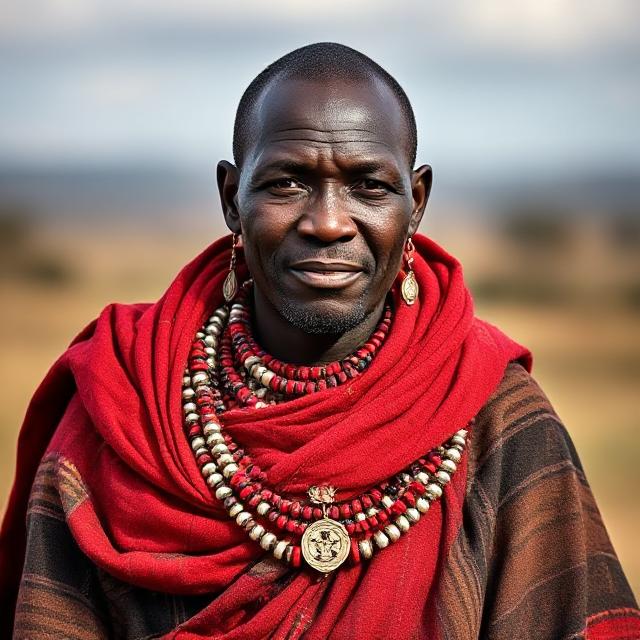
Kenya's Maasai Mara remains one of the world's most famous safari destinations, but the most responsible experiences now come through community-run conservancies like Mara Naboisho. These reserves limit visitor numbers, ensuring intimate wildlife encounters while returning conservation benefits directly to local Maasai communities [3].
Booking through established Kenya travel agents who maintain direct relationships with these conservancies unlocks exclusive access, better pricing, and the assurance that your safari investment directly supports both wildlife protection and community empowerment [3].
South Africa: Kruger Through Sustainable Lodges
Kruger National Park's Big Five can be experienced responsibly through eco-lodges designed with low-impact principles. Half-day and full-day game drives follow conservation-first guidelines, guided by professionals dedicated to wildlife protection and habitat conservation [5].
Walking safaris through Kruger add another dimension, allowing you to engage all your senses while learning about biodiversity, animal tracking, and conservation efforts from expert guides [5].
Carbon Offset Excellence: How Leading Operators Close the Loop
Even with micro-camps and walking routes, international travel involves some emissions. The most conscientious safari operators don't simply calculate their carbon footprint—they exceed offset requirements to create a genuine positive impact [7].
Industry leaders like Natural Habitat Adventures offset all traveler flights to and from safari destinations, then increase their carbon offsetting by 300-400% beyond what was released. This means your safari doesn't just become carbon-neutral; it becomes carbon-negative, with funds supporting renewable energy projects in Indonesia and clean-burning cookstoves in Ethiopia [7].
When booking your safari, ask your travel specialist for details on their carbon offset program. The most transparent operators can specify exactly which projects your offsets fund and the tangible impact they create [7].
Active Conservation During Your Safari: Participate in Protection
Modern carbon-neutral safaris invite guests to participate actively in conservation rather than remaining passive observers. This transforms your safari from a vacation into a purpose-driven adventure [2].
Popular participation opportunities include:
- Anti-Poaching Awareness Activities: Learn about wildlife protection efforts and the guides dedicated to preventing illegal hunting, understanding the human dimension of conservation [5].
- Tree Planting Initiatives: Many operators offer opportunities to plant trees, with programs donating funds on your behalf—some specifically supporting reforestation on Kilimanjaro's slopes [2].
- Wildlife Rehabilitation Tours: Visit centers dedicated to rescuing and rehabilitating endangered species, seeing conservation in real-time [5].
- Community Engagement: Stay in lodges that actively employ local communities, support women's empowerment, and fund education initiatives, ensuring your tourism spending creates lasting positive change [2].
- Conservation Photography: Participate in ethical wildlife photography tours that teach responsible practices while documenting species for research and awareness [4].
These activities transform safari from entertainment into education and active participation in the fight to preserve Africa's natural heritage.
Community-First Travel: The Human Element of Carbon-Neutral Safaris
True carbon-neutral safaris recognize that environmental protection inseparable from social responsibility. The communities living alongside Africa's wildlife regions must benefit from tourism, otherwise conservation becomes unsustainable [2].
The best carbon-neutral itineraries ensure that:
- Local guides receive fair wages and professional development opportunities, with many lodge partners actively seeking women guides and managers [2].
- Food and supplies are sourced locally from community farms whenever possible, circulating tourism revenue through local economies [1].
- Lodge operations employ community members in positions ranging from guides to management, creating sustainable livelihoods [5].
- Partnerships with local organizations support education initiatives, clean water projects, and cultural preservation programs [2].
When you book a carbon-neutral safari through a reputable travel specialist, you're not simply purchasing an experience—you're investing in communities and ecosystems that have stewarded these lands for generations.
Luxury Comfort Without Compromise
The most critical misconception about carbon-neutral safaris is that they require sacrificing luxury. The opposite is true: the most discerning travelers recognize that true luxury means exclusivity, authenticity, and positive impact.
Modern eco-lodges deliver luxury through:
- Intimate, limited-capacity accommodations that feel exclusive rather than crowded [1].
- Gourmet meals featuring locally sourced, often organic ingredients—supporting both community and health [1].
- Expert guides with 25+ years of experience designing these journeys to deliver uncompromising wildlife encounters [1].
- Solar-powered modern amenities including heated showers, Wi-Fi, and charging stations, proving technology and sustainability aren't mutually exclusive [10].
- Personalized itineraries tailored to your specific interests, whether wildlife photography, cultural immersion, or pure wilderness retreat.
Planning Your Carbon-Neutral Safari: Practical Booking Information
Seasonal Timing Matters
Carbon-neutral safaris benefit from strategic seasonal planning. Dry seasons (typically May-October in East Africa) offer the best wildlife viewing, while green seasons (November-March) provide excellent birding and fewer crowds [9]. Expert travel specialists can guide you toward the optimal timing for your interests and budget.
Multi-Country Itineraries Add Depth
Extended safaris combining multiple countries and ecosystems—perhaps Tanzania's Serengeti, Botswana's Okavango, and Kenya's Mara—create richer experiences while allowing guides to demonstrate how conservation practices vary across regions [4]. Rather than booking separate reservations, working with a travel specialist ensures seamless logistics, coordinated permits, and unified carbon offset strategies across your entire journey.
Customization for Your Goals
Whether your priorities center on wildlife photography, cultural immersion, family education, or pure wilderness reset, carbon-neutral safaris can be tailored to match your vision. Leading travel agents maintain relationships with multiple operators, ensuring they can match you with the itinerary that aligns with your values and interests [9].
Why Partner With Kenya-Based Travel Specialists
As one of Kenya's leading travel agencies, our team of experienced safari guides understands the landscape—both literally and logistically—in ways that distant booking platforms simply cannot replicate.
Exclusive Value & Rates: Direct relationships with eco-lodges and conservation operators unlock curated packages and exclusive rates unavailable through standard channels. You access premium experiences at better value.
Expert Curation: Rather than browsing generic listings, our specialists consult with you to design itineraries that perfectly match your interests, budget, and conservation values. This personal touch transforms planning from transactional to collaborative.
Concierge Support: From pre-departure planning through post-safari follow-up, we manage details—permits, transportation, dietary needs, special requests—ensuring your experience is seamless from start to finish.
On-Ground Expertise: Our team's presence in Kenya and relationships across East Africa means we can respond to opportunities in real-time, arrange last-minute adjustments, and provide insider insights that enhance your experience [9].
No Pressure, Maximum Value: We believe in partnerships, not pressure. Consulting with our specialists helps you understand your options, clarify your priorities, and ultimately make the best choice for your goals—whether that's booking directly or through our curated packages.
The Lasting Impact of Your Choice
Booking a carbon-neutral safari represents more than a vacation decision. It's a statement that authentic luxury means leaving the world better than you found it. When you experience the Serengeti's endless plains, the Okavango's crystal waterways, or Kruger's magnificent wildlife through a carbon-neutral itinerary, you're not simply taking a vacation—you're investing in preservation.
The guides who lead these safaris, the communities who benefit from responsible tourism, and the wildlife whose habitats are protected because of your choice—all carry forward the impact of your decision long after you return home.
Ready to book your carbon-neutral safari adventure? Consulting with our Kenya-based travel specialists unlocks access to exclusive itineraries, transparent carbon offset programs, and the expert guidance that transforms safari planning from overwhelming to exciting. We're here to help you craft an experience that honors both your wanderlust and your values.
Contact our safari specialists today to begin designing your low-impact African adventure.
Ready to Experience This?
Let our local-born guides craft your perfect safari adventure with insider knowledge and personalized service.