

What I Wish I Knew Before Going on a Safari: Expert Tips for Your First African Adventure
A safari isn't just a vacation—it's a transformative journey into one of Earth's most extraordinary ecosystems. Yet many first-time safari travelers arrive unprepared for the realities of their African adventure, missing opportunities or arriving with unsuitable gear. After countless guests have shared their safari stories with us, several critical insights emerge about what seasoned travelers wish they'd known before booking their first expedition into the African bush.
Whether you're researching safari packages or ready to reserve your dates, understanding these essential lessons will ensure you maximize every moment and create memories that last a lifetime. Let's explore what experienced travelers consistently highlight—and how proper planning transforms a good safari into an unforgettable one.
Pack Layers for Dramatic Temperature Swings
This is perhaps the most frequently overlooked aspect of safari preparation, yet it profoundly impacts your comfort. Africa's daily temperature fluctuations can be extreme. [1] Many safari regions, particularly during winter months (June-August in the Southern Hemisphere), experience crisp early mornings near freezing, followed by blazing midday heat and cool evenings.
A typical safari day begins before dawn when temperatures hover around 50°F (10°C). By mid-morning, the mercury climbs into the 70s-80s°F (21-27°C). As evening approaches and you're still on game drives, temperatures plummet again. [2]
Smart packing strategy: Bring lightweight, removable layers rather than heavy winter coats. A tank top paired with a button-up shirt, lightweight vest, and packable jacket provides flexibility. Many safari camps supply blankets and ponchos in cooler months, but having your own ensures comfort. [5]
This isn't vanity—proper temperature management keeps you alert and comfortable during game drives, allowing you to focus on incredible wildlife moments rather than shivering or overheating.
Choose Neutral Colors and Practical Clothing
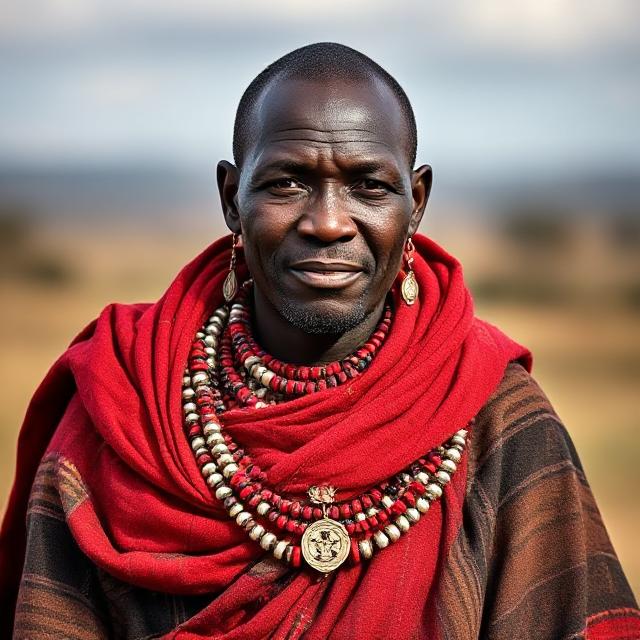
Contrary to popular belief, safari doesn't require khaki everything. However, what you wear does matter for wildlife photography and viewing. [3] Neutral and pastel-colored clothing—beiges, grays, soft greens, and tans—blend better with the landscape, though the Maasai themselves wear striking reds. [2]
More importantly, opt for long sleeves and longer pants. These protect against intense African sun and mosquitoes that may carry malaria. Avoid bright neon colors and strong-smelling perfumes or deodorants, which can deter certain wildlife. [3]
Comfortable, broken-in footwear is essential—you'll spend 4-5 hours daily in vehicles on bumpy roads. [2] Supportive shoes or boots that you've already tested make an enormous difference in your daily comfort and ability to enjoy early morning game drives and evening excursions.
Invest in Quality Photography Equipment
One recurring regret among safari veterans: not preparing their camera equipment beforehand. Unforgettable wildlife moments happen quickly, and fumbling with camera settings means missing them. [4]
Before your safari, invest time in understanding your camera. Whether using a DSLR or smartphone, practice focusing, understand low-light capabilities, and learn manual settings. Many safari moments occur during golden hour when lighting is challenging. Test your zoom capabilities before departure. [4]
Equally important: binoculars. While you can spot animals with the naked eye, quality binoculars reveal intricate details—tusks, claws, eye expressions, and behaviors—that make the experience incomparably richer. [2]
Bring extra camera batteries and a portable charger. Power access in remote camps can be limited, and nothing disappoints more than a dead battery during peak wildlife activity.
Understand That Each Game Drive Is Uniquely Different
Many first-time travelers worry that multiple daily game drives will feel repetitive. This assumption couldn't be further from reality. [1] Safari operators typically schedule two game drives daily—one at dawn and one in late afternoon—approximately 3-4 hours each. [8]
These aren't redundant experiences. Wildlife movements change hourly. Morning drives capture nocturnal animals returning from nighttime hunts as the sun rises. Afternoon drives reveal entirely different species as temperatures cool. Predator activity shifts. Water hole traffic changes. Weather transforms the landscape.
Most travelers find themselves wishing they could extend their safari to experience even more variety. Each morning and evening drive offers distinct surprises—from unexpected elephant encounters near your lodge to witnessing lion hunts to discovering birds you'd never noticed before.
Plan for Bumpy Roads and Motion Discomfort
Safari roads aren't highways—they're rugged terrain. Expect super-bumpy rides, especially in remote game reserves. [2] Roads can be dusty, rocky, and deeply rutted. Ten to twelve hours spent in vehicles during multi-day safaris means genuine physical demands.
Pack motion sickness medication if you're prone to car sickness. Bring a neck pillow for comfort during long drives. Wear comfortable clothing that allows movement. [2] Some travelers underestimate this reality and arrive without proper preparation, diminishing their enjoyment.
Consider this when booking longer safaris—multiple shorter visits separated by relaxation time can be more comfortable than extended back-to-back driving. Our experienced guides can recommend safari packages balancing game viewing with adequate rest periods.
Master the Rhythm: Early Mornings for Prime Wildlife Viewing
Wildlife is most active during specific windows: 30 minutes before and after sunrise, plus late afternoon into early evening. Being an early riser literally catches the best sightings. [7] Your wake-up call typically comes before dawn with tea or coffee delivered to your tent by your guide. You'll have 30-40 minutes to prepare before departing. [5]
Some safari camps offer 6 AM departures for those willing to venture out even earlier—before most guests. This commitment to early timing often results in the most extraordinary encounters. [3]
The experience justifies the early alarm. As the sun rises over savanna, crisp air slowly warms, and nocturnal species return from their night hunting, you're witnessing Africa's daily rhythm firsthand. [7]
Prepare for Electricity and Connectivity Limitations
While luxury safari camps offer increasing amenities, power access remains limited in remote locations. Your ability to recharge electronics may be restricted to designated times or common areas. [3] Some camps intentionally provide minimal Wi-Fi, offering a digital detox many guests ultimately treasure.
Download entertainment before arrival—books, podcasts, downloaded photos to review. Use midday rest hours—typically 11 AM to 3 PM—for recharging devices and relaxing. Some camps feature pools, spas, and curio shops perfect for afternoon leisure.
This limitation is actually a feature, not a bug. Many travelers discover that digital disconnection enhances their safari experience, allowing deeper presence with nature and fellow travelers.
Secure a Local SIM Card Upon Arrival
Emergency communication is important during safari travel. [2] Before leaving your entry point, purchase a local SIM card. This provides reliable connectivity and avoids expensive international roaming charges. You'll appreciate being able to contact guides or camps if needed, and family back home can reach you in emergencies.
Invest in Sun and Mosquito Protection
African sun is unforgiving. High-SPF sunscreen (SPF 50+) is essential, reapplied regularly throughout the day, especially after drinking water. A quality wide-brimmed hat protects your face and neck. Sunglasses protect your eyes during long drives. [3]
Mosquitoes, particularly malaria-carrying species, emerge primarily at dusk and dawn. While safari camps employ effective malaria prevention, wearing long sleeves and pants during these hours provides additional protection. Consult with our travel specialists about antimalarial recommendations specific to your chosen destination.
Book Through Experienced Safari Specialists
Planning a safari independently is possible, but partnering with experienced safari specialists unlocks extraordinary advantages. Kenya-based travel agents with seasoned guides understand nuances that dramatically enhance your experience—ideal timing for specific wildlife, luxury camp amenities that align with your preferences, exclusive rates through established relationships, and personalized itineraries.
We are one of Kenya's leading travel agents, operated by experienced safari guides with deep knowledge of regional conditions, wildlife patterns, and luxury accommodations. Rather than booking directly, consulting our team means:
- Curated Packages: We design safaris specifically matching your interests, budget, and comfort level
- Exclusive Rates: Established relationships with premium camps provide better value than public pricing
- Expert Guidance: Our guides advise on weather timing, clothing requirements, photography opportunities, and daily logistics
- Concierge Support: We coordinate all details—permits, transfers, dietary requirements, special requests—before and during your safari
- Access to Varied Experiences: From intimate small-group safaris to luxury private camps to walking expeditions, we match you with the ideal experience
Our packages handle the complexity, allowing you to focus on preparation and anticipation rather than logistics. When challenges arise—weather changes, booking complications, last-minute adjustments—our on-ground team resolves them immediately.
Choose Your Safari Timing Strategically
Africa remains warm and sunny throughout the year, but dry and wet seasons dramatically impact wildlife viewing and your experience. [8] High season (dry months) concentrates animals near reliable water sources, creating predictable viewing opportunities. Low season (wet months) means fewer tourists, lush landscapes, and different wildlife dynamics.
Your desired experience—Great Migration crossings, specific wildlife focus, crowd avoidance, budget optimization—determines ideal timing. Our specialists analyze your preferences and recommend optimal travel windows.
Embrace Unexpected Magical Moments
Perhaps the most important lesson: safari delivers moments of profound wonder that no amount of preparation fully anticipates. Picture an elephant grazing inches from your lodge window. Imagine experiencing a close encounter with a wild elephant herd. Consider sunrise over vast savannas filled with wildlife. These moments—simultaneously planned and utterly serendipitous—define transformative safaris.
Proper preparation ensures you're present and comfortable enough to absorb these experiences fully, rather than distracted by physical discomfort or missed logistics.
Ready to Book Your Safari?
The difference between a good safari and a truly transformative one often comes down to informed preparation and expert guidance. Whether you're exploring budget options or seeking luxury experiences, our Kenya-based team of experienced guides can design your perfect safari.
Rather than navigating safari planning alone, reach out to our specialists. We'll discuss your vision, address preparation concerns, recommend optimal timing and locations, and secure exclusive packages offering superior value. Most importantly, we'll ensure you arrive equipped with knowledge and gear making you comfortable, confident, and ready to fully embrace Africa's raw majesty.
Your safari awaits. Let's prepare you to experience it magnificently.
Ready to Experience This?
Let our local-born guides craft your perfect safari adventure with insider knowledge and personalized service.