Fly-In vs Road Safari in Kenya: Choose Your Perfect Circuit
Planning a Kenya safari is exhilarating—but the logistics can feel overwhelming. One of the first decisions you'll face is whether to fly between parks or drive. This choice fundamentally shapes your experience, budget, and timeline. Let's explore both options so you can book with confidence.
Understanding Your Kenya Safari Options
Kenya's safari circuit is divided into three main regions: the eastern, northern, and western circuits. Each offers distinct wildlife experiences and varying distances between destinations. The key question is: how will you move between them? [1]
Your transport choice affects more than just convenience. It impacts costs, the quality of your game viewing, your relationship with your guide, and ultimately, how deeply you'll connect with Kenya's incredible ecosystems.
The Fly-In Safari: Speed and Luxury
What to Expect from Fly-In Safaris
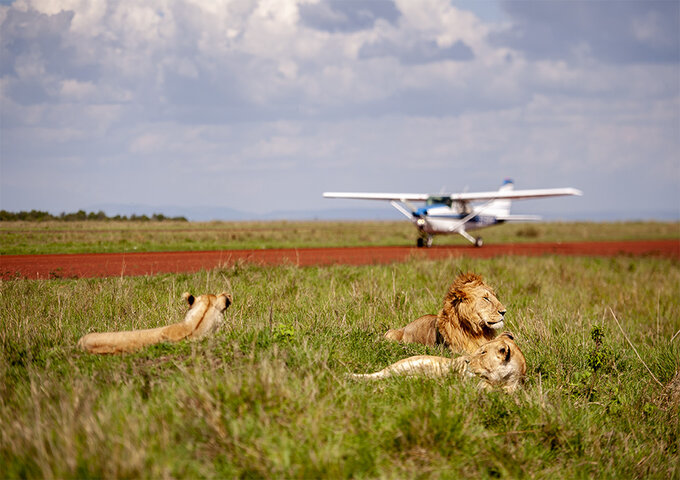
Fly-in safaris are the premium option for time-conscious travelers. You'll travel between parks using small charter aircraft, typically departing from intimate airstrips near your lodge. This approach minimizes travel time and maximizes wildlife viewing hours.
Budget flights from Nairobi to the Masai Mara start at approximately $200 return, depending on season. However, connecting more remote destinations like Samburu, Chalbi, or Buffalo Springs requires flying via Nairobi, which can push costs higher. [1][2]
Key Advantages of Flying
- Maximum Safari Time: Eliminate long road transfers that consume daylight hours. A 10-hour drive between Masai Mara and Samburu becomes a flight that includes time for lunch in Nairobi—and you still gain precious hours on game drives. [2]
- Access Remote Wilderness: Some of Kenya's most spectacular parks—Chalbi, the northern Samburu region, and Buffalo Springs—are practically inaccessible by road for most travelers. Flying opens these exclusive destinations. [2]
- Tailored Experiences: Fly-in safaris often feature more specialized accommodations and services, including open-vehicle game drives that provide unobstructed wildlife photography opportunities.
- Convenience Factor: No fatigue from extended driving means you arrive refreshed, ready for afternoon game drives and evening experiences.
The Fly-In Trade-Offs
Fly-in safaris come with premium pricing. Flights between distant parks can cost $400+ per person, plus additional park entry fees—sometimes $100-$200 extra depending on the season. [4] For a couple or small group, these costs accumulate quickly.
Additionally, fly-in tourists often share open vehicles with other lodge guests, whereas private road safaris typically include a dedicated private vehicle. Your guide, though excellent, may be managing multiple travelers' interests simultaneously.
The Road Safari: Immersion and Value
What to Expect from Road Safaris
Road safaris involve traveling overland between parks in vehicles, typically minivans for groups or self-drive cars for independent travelers. While slower than flying, road travel offers something precious: continuity and connection.
Minivan rentals start at $120 per day for seven passengers, while self-drive cars begin around $50 per day. Add fuel and park entry fees, and your transport costs remain substantially lower than fly-in alternatives. [1]
Key Advantages of Road Safaris
- Superior Value: Road transfers between nearby parks often take just 2-4 hours. The Masai Mara to Amboseli by road is roughly 500km—long, but achievable. [4] Cost savings can reach 30-50% compared to flying.
- Deeper Guide Relationships: Eight or more hours together allows real conversations. Your guide becomes a mentor, sharing insights about Kenyan culture, ecology, and wildlife behavior that transform your safari from observation to education. [5]
- Authentic Country Experience: You see Kenya's landscapes, communities, and terrain evolving in real-time. The journey becomes part of the adventure. [5]
- Private Vehicle Option: Private road safaris with dedicated guides offer unparalleled flexibility and personalized service—a luxury experience at mid-range prices.
- Park Flexibility: Lesser-known parks like Tsavo and Samburu offer exceptional wildlife experiences at $52/day compared to Masai Mara's $200 during peak season. [3] Road travel makes visiting these parks practical.
The Road Safari Reality Check
Longer transfers do consume daylight hours. The 9-hour drive between Masai Mara and Amboseli means most of your day is spent traveling. [4] You'll sacrifice potential game viewing time on those transfer days.
Road travel also requires physical stamina. While vehicles are comfortable, extended hours of sitting and navigating Kenya's varied road conditions can be tiring, particularly for guests with mobility limitations.
The Smart Compromise: Mixed-Mode Safaris
Savvy travelers increasingly choose a hybrid approach—and for good reason. Here's how it works:
Drive between relatively close destinations, fly to access remote locations. [1] For example, you might drive between Nairobi and Masai Mara (8 hours), spend 2-3 nights game viewing, then fly to Samburu or Chalbi for a completely different ecosystem and experience. This maximizes both time and budget.
A classic 7-day itinerary might look like this: [3]
- Day 1: Nairobi → Masai Mara (drive or fly)
- Days 2-3: Masai Mara (full game drives)
- Day 4: Masai Mara → Amboseli (fly)
- Day 5: Amboseli (Kilimanjaro game viewing)
- Day 6: Amboseli → Diani Beach (fly)
- Day 7: Beach relaxation → Nairobi departure
Cost for this approach? Approximately $2,500-$3,000 per person for mid-range accommodations, which represents significant savings compared to pure fly-in circuits. [3]
Kenya's Three Safari Circuits Explained
Eastern Circuit: The Popular Choice
The eastern circuit comprises Masai Mara, Lake Naivasha, and Lake Nakuru. It's Kenya's most visited region for good reason: world-class game viewing without excessive driving. [4]
Best For: First-time safari goers, travelers with 5-7 days, photographers seeking concentrated wildlife moments.
Road Practical? Yes. These parks are 2-3 hours apart, making road travel comfortable and economical.
Northern Circuit: The Remote Adventure
Samburu, Buffalo Springs, Shaba, and Chalbi comprise Kenya's northern frontier. Notably quieter than the Mara, Samburu offers genuine solitude and unique wildlife—gerenuk, Grevy's zebra, and the elusive leopard. [2]
Best For: Experienced safari travelers, photography enthusiasts, adventurers seeking exclusivity.
Flying Required? For most travelers, yes. Samburu is 10 hours from Nairobi by road; Chalbi is 425km north—a 14+ hour journey through challenging terrain. [2] Flying here makes absolute sense.
Western Circuit: The Game Reserve Crown Jewel
The Masai Mara dominates this circuit. Kenya's most famous reserve sees the annual wildebeest migration and offers unparalleled big cat viewing.
Best For: Everyone, but especially those traveling during June-October migration seasons.
Road Practical? The 8-hour drive from Nairobi is manageable for determined travelers, though many prefer flying to preserve energy for long game drives.
Breaking Down the Costs: What You'll Actually Pay
Pure Road Safari Estimate (7 Days)
- Minivan rental/private vehicle: $840 (7 days @ $120/day for group or $350 for self-drive)
- Fuel and driver allowance: $300-400
- Park entry fees: $400-600
- Mid-range lodge accommodation: $1,000-1,400
- Subtotal: $2,540-3,240
Mixed Mode Estimate (7 Days)
- Road transfers (3 days): $400
- Internal flights (2 flights): $600-800
- Park entry fees: $450-650
- Mid-range lodge accommodation: $1,000-1,400
- Subtotal: $2,450-3,250
Pure Fly-In Estimate (7 Days)
- Charter flights (4-5 flights): $1,200-1,600
- Park entry fees: $500-800
- Premium lodge accommodation: $1,800-2,500
- Subtotal: $3,500-4,900
Notice something interesting? Mixed-mode safaris often cost similar to pure road safaris while delivering superior experiences. [1][3]
Choosing Your Perfect Safari: A Decision Framework
Choose Road Safari If You:
- Have 7+ days (more time softens the impact of long transfers)
- Enjoy traveling at a deliberate pace and soaking in landscapes
- Want maximum guide interaction and cultural immersion
- Prefer private vehicle experiences
- Are budget-conscious but don't want to sacrifice quality
- Are comfortable with physical demands of extended vehicle time
Choose Fly-In Safari If You:
- Have 4-5 days (flying maximizes limited time)
- Want to experience multiple distinct ecosystems (Masai Mara plus Samburu, for example)
- Have mobility limitations or prefer minimal vehicle time
- Are visiting remote parks like Chalbi or northern Samburu
- Prioritize time over cost
- Desire exclusive lodge experiences with premium amenities
Choose Mixed Mode If You:
- Want optimal cost-to-experience ratio
- Have 6-8 days and want geographic diversity
- Desire both concentrated game viewing and authentic travel
- Want flexibility to adjust plans mid-trip
- Seek the "best of both worlds" without premium pricing
Insider Tips for Maximizing Your Safari Investment
Book Early for Better Rates
Kenya's tourism is recovering rapidly, and demand—especially around the Great Migration (June-October)—remains high. Early bookings secure better rates and your preferred accommodations. [3]
Consider Group Travel Economics
Private safaris become substantially more cost-effective for groups of four or more. A group of six might save $200-300 per person by booking a private vehicle and guide versus joining a large group tour. [1]
Combine Unique Interests with Transport Choice
Photography enthusiasts and bird watchers should prioritize guides specializing in their interest—often easier to arrange with private (typically road-based) safaris. Specialist guides add $50-100 daily but dramatically improve results. [1]
Layer Your Experience
Consider adding 1-2 days of cultural experiences, walking safaris, or boat excursions. These activities complement game drives and are often available through your lodge.
When to Visit: Impact on Your Choice
Timing influences both experience and pricing. Peak season (June-October) offers maximum wildlife viewing but peak pricing. Shoulder seasons (April-May, November) deliver excellent value with good game viewing. [10]
During peak season, flying becomes relatively more attractive—the time saved justifies higher costs. During shoulder seasons, road travel shines as an economical, uncrowded option.
The Case for Expert Guidance: Why Book Through Kenya's Leading Safari Specialists
You could certainly book flights and lodges independently. However, here's what you'd miss: access to insider knowledge that transforms safaris from good to unforgettable.
Kenya's leading travel agents—particularly those run by experienced safari guides—understand:
- Seasonal Nuances: Which parks offer peak game viewing in specific months, allowing optimal routing
- Lodge Partnerships: Exclusive rates and complimentary upgrades unavailable to direct bookers
- Logistical Coordination: Seamless transitions between parks, optimal flight timing, and contingency planning
- Guide Matching: Pairing you with specialists who share your interests—photography, birding, conservation
- Curated Packages: Pre-planned circuits that balance cost, time, and experience based on your priorities
When you partner with Kenya-based specialists, you're not paying extra—you're unlocking better value. Your guides have direct relationships with lodges, understand current wildlife movements, and can adjust your itinerary if conditions shift. A missed migration? They know alternative strategies. An unexpected weather delay? They have backup plans.
Most importantly, these partnerships include concierge support—someone managing logistics so you focus on the safari itself.
Ready to Book Your Kenya Safari?
The perfect safari isn't defined by fly-in versus road—it's defined by alignment with your priorities, timeline, and vision. Whether you dream of tracking lions in the Masai Mara, discovering the remote northern wilderness, or combining multiple parks into an epic circuit, Kenya delivers.
Before finalizing bookings, consider consulting with Kenya-based safari specialists. Share your dates, budget, interests, and experience level. They'll design a custom itinerary—mixed-mode, road-based, or fly-in—that maximizes your experience and often costs less than what you'd arrange independently.
Your next adventure awaits. Let's make it extraordinary.
Key Takeaways for Your Safari Decision
- Fly-in safaris save time and access remote parks; road safaris offer immersion and value
- Mixed-mode safaris often deliver the best experience-to-cost ratio
- Budget $2,500-3,000 for mid-range road/mixed safaris; $3,500-4,900 for premium fly-in circuits
- Book early, especially for peak season (June-October)
- Partner with Kenya-based specialists for exclusive access, expert guidance, and better rates
- Your ideal safari circuit depends on your timeline, budget, interests, and comfort preferences
Ready to Experience This?
Let our local-born guides craft your perfect safari adventure with insider knowledge and personalized service.