
Horseback Safaris: The Ultimate Guide to What to Expect, Essential Safety Tips & How to Book Your Adventure
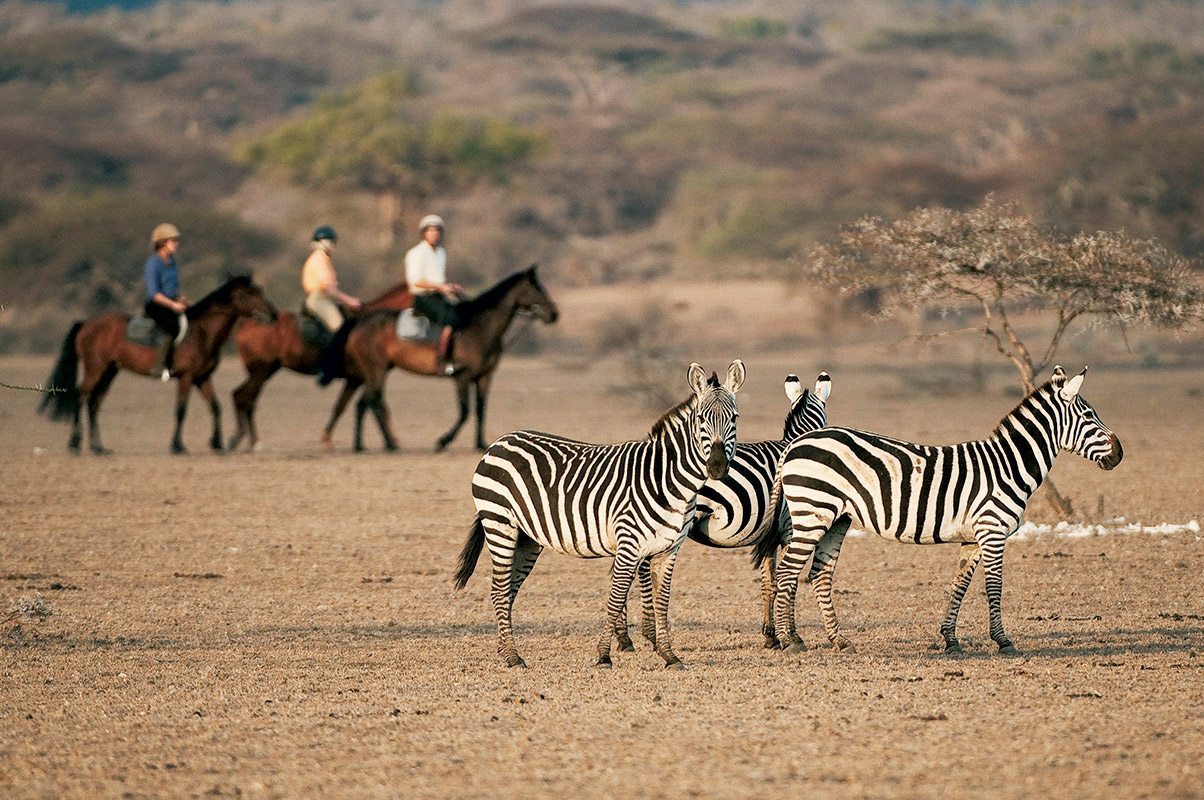
Imagine traversing the African bush at dawn, the rhythmic hoofbeats of your horse echoing across golden grasslands as giraffes graze in the distance and zebras watch curiously from the acacia trees. Horseback safaris represent one of the most intimate and exhilarating ways to experience Africa's wild beauty—a journey that combines luxury adventure with profound connection to nature.
Whether you're contemplating your first horseback safari or planning your next equestrian expedition, this comprehensive guide will equip you with everything you need to know before you book your transformative African adventure.
What to Expect: A Day on Horseback in the African Bush
Daily Itinerary and Ride Duration
One of the first questions prospective safari riders ask is: "How much time will I actually spend in the saddle?" The answer varies depending on your chosen itinerary, but you can typically expect to spend anywhere between three to seven hours mounted daily [1].
Most horseback safaris follow a well-established rhythm [1]:
- Morning ride: Four hours in the saddle, typically departing at dawn when wildlife is most active
- Midday break: Return to camp for breakfast, rest, and protection from the heat
- Afternoon ride: Three hours exploring different terrain or deeper bush
- Evening return: Time to rest, refresh, and prepare for dinner under the stars
Some luxury packages rotate camps every other night, covering significant distances across diverse ecosystems, while others operate from a fixed base camp, allowing you to discover new trails and wildlife sightings each day without the logistics of constant relocation [1].
Wildlife Encounters and the Advantage of Horseback
The magic of horseback safaris lies in proximity without disturbance. Unlike vehicle safaris, horses allow you to approach wildlife with minimal alarm. Giraffes, zebras, elephants, and countless other species have evolved alongside horses and wild animals in Africa's ecosystems, making equine safari-goers less threatening than traditional game drives [1].
Your horses become your ambassadors to the animal kingdom. They possess inherent wildlife awareness—an instinctive wariness that keeps both you and the animals safe. Rather than masking this natural caution, experienced guides leverage it, reading the horses' behavior to locate and interpret wildlife activity [1].
Essential Safety Considerations Before You Book
Understanding Your Riding Level and Horse Matching
Professional horseback safaris begin with a critical safety protocol: rider assessment and careful horse matching [4]. During your initial briefing, experienced guides evaluate your riding skills, experience level, and comfort with horses, then pair you with an equine partner perfectly suited to your abilities [4].
This isn't casual matchmaking—it's a deliberate safety procedure that dramatically reduces accident risk. A confident rider paired with a spirited horse creates an exhilarating experience, while a novice rider benefits from a calm, steady mount that responds intuitively to subtle cues [4].
Guide-to-Rider Ratios and Professional Supervision
Quality operators maintain strict guide-to-rider ratios. The safest standard is approximately one qualified guide per six horses [3]. This ratio becomes even more critical when guides lead pack horses for luggage and supplies—when a guide leads four to five pack horses, they can be positioned 20 yards or more ahead of the first guest, requiring additional communication and safety protocols [3].
Premium safari operators go further, maintaining multiple guides per group. The best experiences feature one guide leading the group into the bush and another guide positioned at the rear, creating a protective formation that keeps all riders monitored throughout the journey [8].
Essential Riding Safety Rules
Before mounting up, familiarize yourself with fundamental equestrian safety principles that apply universally [7]:
- Always wear a certified safety helmet that meets ASTM standards, securing it properly before every ride [7]
- Wear appropriate footwear with hard toes and a defined heel to prevent your foot from sliding through the stirrup [7]
- Use lead ropes correctly by folding the rope back and forth rather than coiling it around your hand, which could tighten dangerously if the horse startles [3]
- Never dismount to open gates or for any reason while other riders remain mounted—horses become nervous and unpredictable when they feel separated from the group [3]
- Maintain safe distances from horses you're not riding, approaching from the side rather than directly in front or behind, where they have blind spots [7]
- Always speak to a horse before approaching to avoid startling them [7]
Safari-Specific Safety Protocols
Horseback safaris in African wildlife reserves demand additional protocols beyond standard riding safety [2]. Professional operators emphasize dressing appropriately for changing weather conditions and understanding wildlife behavior and respect [2].
Critically, never walk around the reserve alone at night. Always travel with an armed guide or escort—many African safari camps provide two-way radios in accommodations or position escorts within easy reach for emergency assistance [5]. Some lodges even maintain air horns to deter animals and signal alarms if needed [5].
During your safari, stay alert and communicative. If you hear unusual animal sounds—barks, snorts, or vocalizations—inform your guide immediately. Your observations combined with professional expertise create the safest and most rewarding experience [5].
What to Pack: The Ultimate Horseback Safari Packing List
Riding Gear and Equipment
Bring your own certified riding helmet and personal riding gear if you're an experienced equestrian [1], [8]. Many premium operators provide helmets, but experienced riders often prefer their personal equipment, which fits comfortably and meets their safety standards [8].
Essential riding gear includes [1]:
- Jodhpurs or riding pants
- Proper riding boots
- Chaps for protection
- Lightweight riding helmet (certified to ASTM standards)
- Long-sleeved shirts for sun and brush protection
Practical Safari Accessories
Pack strategically, keeping items accessible but secure [1]:
- Small binoculars that fit into saddlebags for wildlife observation
- Point-and-shoot camera or smartphone with secure strap for capturing moments without encumbering your saddle
- Sunscreen and after-sun lotion in generous quantities—you'll spend extended periods under African sun
- Mosquito repellent and mosquito netting for evening protection in malaria-prevalent regions
- Personal medications relevant to your health profile
Health and Wellness Preparations
Before you book your horseback safari, consult your healthcare provider about necessary vaccinations and malaria prevention for your specific destination [9]. Research disease prevalence in your target region and begin preventive protocols well in advance [9].
While professional operators carry comprehensive first aid kits, packing essential medications ensures continuity of care. Always verify weather conditions and seasonal considerations for your travel dates—this information proves invaluable for appropriate packing [9].
Choosing the Right Horseback Safari Operator: Key Criteria
Professional Standards and Qualifications
Premium horseback safari experiences share common characteristics: multiple qualified guides per group, excellent horse-to-rider matching protocols, maintained guide-to-rider ratios, and transparent safety briefings [8]. The most respected operators are run by experienced safari guides who understand both equestrian management and African wildlife dynamics.
When evaluating operators, inquire about guide certifications, horse welfare standards, and accident prevention records. Reputable companies provide detailed pre-safari briefings explaining daily itineraries, safety protocols, wildlife behavior expectations, and emergency procedures [4].
Understanding Curated Packages vs. Direct Booking
While direct operator bookings are certainly possible, partnering with an experienced travel agent specializing in horseback safaris offers distinct advantages. Curated safari packages from Kenya's leading travel agencies—particularly those run by experienced safari guides—provide:
- Exclusive negotiated rates unavailable through direct booking
- Tailored itineraries matched to your riding level, interests, and schedule
- Concierge support before, during, and after your safari
- Expert vetting of operators ensuring safety, quality, and authentic experiences
- Logistical coordination including airport transfers, visa guidance, and cultural orientation
- Better value through volume relationships and long-standing partnerships with premium operators
Kenya-based travel specialists who themselves operate as experienced safari guides bring unmatched credibility and insider knowledge. They've personally vetted every operator, ridden every route, and encountered every potential challenge—meaning their recommendations come from genuine expertise rather than commission structures alone.
Planning Your Horseback Safari: A Booking Timeline
When to Book
Horseback safaris in peak season (June-October and December-March in East Africa) fill rapidly. For the best selection of dates, guides, and customization options, plan to reserve your packages 3-6 months in advance. Last-minute bookings are possible but limit flexibility and may compromise ideal matching with guides and horses.
What's Included in Premium Packages
Comprehensive horseback safari packages typically include accommodations at luxury safari camps, all meals, guided rides with multiple guides, horse provision, safety equipment (helmets), ground transportation within the reserve, and wildlife education. Confirm what's included before you book to avoid surprises.
Why Consulting Travel Specialists Unlocks Better Value
Experienced travel specialists leverage established relationships with operators to unlock value unavailable to direct bookers. Through strategic partnerships, they secure:
- Complimentary room upgrades
- Discounted multi-day packages
- Private guide arrangements
- Customized itineraries combining horseback riding with other safari activities
- Flexible cancellation policies with extended booking windows
- Added experiences like sunset sundowners or specialized wildlife photography guidance
When you work with Kenya's leading travel agents—those actually operated by experienced safari guides—you benefit from genuine expertise combined with access to exclusive opportunities. These specialists understand which operators maintain the highest safety standards, which guides provide exceptional wildlife interpretation, and which routes deliver the most memorable experiences.
The Transformative Power of Horseback Safaris
Horseback safaris represent more than adventure tourism—they're invitations to experience Africa as explorers have for centuries. The intimate pace, the direct connection between rider and landscape, and the profound proximity to wildlife create memories that transcend typical safari experiences.
The beauty of horse riding safaris lies not just in the thrill and adventure, but in the profound sense of belonging you develop with the landscape and its inhabitants. You become part of the ecosystem rather than observers passing through it.
Ready to Book Your Horseback Safari Adventure?
Planning a horseback safari demands careful consideration of safety, logistics, operator quality, and personal preparation. While booking directly is certainly an option, consulting with Kenya's leading travel specialists—particularly those run by experienced safari guides—ensures you access expertly vetted operators, exclusive rates, and personalized concierge support that transforms your safari from a vacation into a life-changing expedition.
Whether you're an experienced equestrian seeking an ultimate adventure or a first-time rider eager to explore Africa's beauty from horseback, the right preparation and expert guidance make all the difference. Reach out to discuss customized packages that match your riding level, timeline, and safari dreams. Our Kenya-based team of experienced guides stands ready to help you reserve your perfect horseback safari adventure—with better value, exclusive benefits, and unmatched expertise every step of the way.
Ready to Experience This?
Let our local-born guides craft your perfect safari adventure with insider knowledge and personalized service.