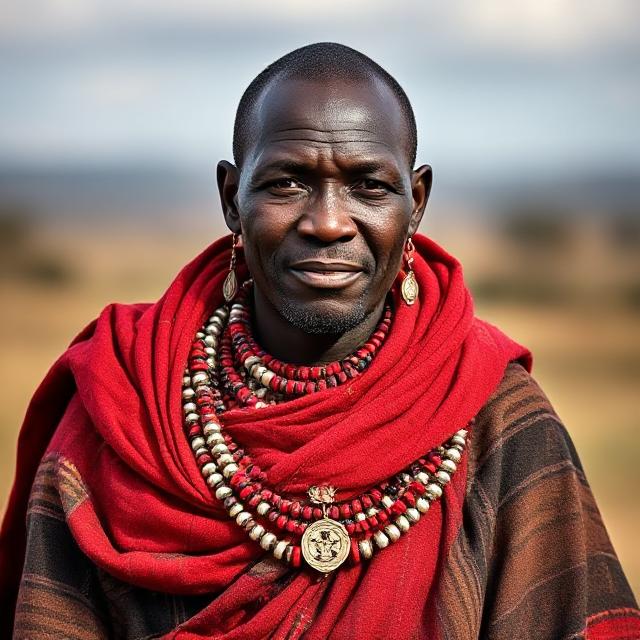


East Africa Safari Calendar 2026: Migration Timing, Weather & Crowd Patterns
Planning a transformative East African safari in 2026 requires understanding three critical elements: where the Great Migration moves, what the weather will deliver, and when crowds peak. This comprehensive guide equips you with the intelligence to book your dream safari at precisely the right moment—and with the right partners who understand these patterns intimately.
The Great Wildebeest Migration isn't a spectacle confined to specific dates; it's a year-round, circular journey triggered by rainfall patterns and grass growth that experienced operators track with remarkable precision. Understanding this dynamic landscape transforms a safari from hopeful wildlife viewing into strategic positioning for guaranteed encounters with massive herds, dramatic predator interactions, and the legendary river crossings that define this natural wonder.
Understanding the 2026 Migration Calendar: Month by Month
January through March: Southern Serengeti & Calving Season Magic
January marks the beginning of East Africa's dry season, when conditions are ideal for Big Five viewing across Tanzania, Uganda, and Rwanda. Wildlife concentrations increase as water sources become scarce, making sightings more predictable. January is one of the best months for a budget-conscious safari, with prices significantly lower than peak season while game viewing remains exceptional.
February transitions into something truly extraordinary: the calving season in the Southern Serengeti's Ndutu region. February offers the bonus of witnessing one of nature's most dramatic cycles—hundreds of thousands of wildebeest calves are born within weeks of each other. This natural phenomenon attracts predators from across the ecosystem, creating unparalleled wildlife drama. The herds remain concentrated in nutrient-rich grasslands, their heavily pregnant females preparing for birth.
March introduces the start of the long rains, creating lush, verdant landscapes ideal for photographers seeking dramatic skies and fresh vegetation. This is one of the most budget-friendly months to travel, especially for those comfortable with green-season conditions and occasional thunderstorms. Wildlife remains present and active, making March an excellent choice for adventurous travelers seeking exclusivity without peak-season crowds or pricing. [1]
April and May: Green Season Luxury at Unbeatable Rates
April presents the heaviest rains of the year, which deters casual safari-goers but rewards those seeking rock-bottom prices and virtually exclusive access to Africa's greatest wilderness areas. Roads can be muddy, but wildlife is still abundantly present. April is ideal for photographers and budget travelers willing to embrace the raw beauty of the rainy season.
May continues the pattern with significantly reduced foot traffic and exceptional value. Lodges offer low-season rates during April and May, making this the most cost-effective window for luxury safari experiences. While occasional rain occurs, many travelers extend their stays by twice the length compared to peak seasons, maximizing their investment in this transformative journey. Kenya's Laikipia region is particularly resilient to rainfall and offers outstanding Big Five viewing during these months, delivering a more exclusive safari experience with fewer vehicles per driver. [3]
June: The Awakening—Peak Season Begins
June marks the critical transition into peak safari season, when the Great Migration begins its northward push. Early migration movement accelerates this month, with large herds gathering along migration routes in the Serengeti and preparing to head north. The predators follow closely behind, and game viewing becomes exceptional.
Weather conditions are ideal: cool mornings, warm dry days, and excellent visibility for photography. Vegetation thins, making wildlife spotting easier. June delivers early great migration movement, peak big cat activity, dry-season visibility and golden light, and comfortable daytime temperatures—perfect for those ready to witness nature's greatest spectacle.
Concentrated wildlife and open landscapes create classic safari scenes that rival any month of the year. However, demand increases noticeably, making early booking essential for June safari packages. [2]
July and August: The Peak Season & River Crossings
July and August represent the absolute pinnacle of safari season, when the Great Migration reaches its most dramatic crescendo. The iconic river crossings in the Northern Serengeti and Kenya's Masai Mara dominate the safari world during these months. Massive herds attempt to traverse the Mara River, creating one of the planet's most extraordinary wildlife events as crocodiles wait below and predators stalk from the banks.
July through October consistently align with dramatic movement across the Northern Serengeti and Mara corridors, perfect for expansive plains scenes and predator action. [6] Weather is predictably dry, temperatures are comfortable, and visibility is optimal.
However, August is the busiest month—visitor numbers reach their highest in August, particularly in Kenya's Masai Mara and Tanzania's Serengeti. [3] Lodges and camps fill up fast. For peak migration viewing, booking should occur 6-10 months in advance, with experienced operators securing the best properties and positioning. If you're targeting July-August migration viewing, begin your booking process immediately to ensure availability at preferred lodges and camps.
September and October: Premium Viewing with Fewer Crowds
September offers exceptional value compared to August while maintaining excellent game viewing. Herds still linger around the Serengeti and Masai Mara before beginning their southern journey. Less crowded than August, September still delivers dramatic wildlife action with fewer vehicles and a more intimate experience. Photographers particularly appreciate this month's golden light and dramatic cloud formations.
October marks the end of the dry season and the beginning of shifting weather patterns. October is often regarded as a standout month for exceptional wildlife encounters across the region. [3] Short rains beginning this month create temperatures of 22-30°C with dramatic thunderstorms and green grass returning. [1]
This month also becomes the optimal window for elephant and predator viewing. October offers good opportunities for elephants and predators in destinations like Amboseli and Serengeti. [4] From October onwards, special deals and offers begin to appear, making this an excellent moment to book discounted packages for late-year travel. [3]
November: The Underrated Gem
November positions herds across the eastern Serengeti as the southward journey accelerates. Following rain patterns, the migration moves through Lobo, the Namiri Plains, and the Soit Orgoss kopjes areas, spreading across landscapes less visited than the famous crossing points. [1]
This month offers exceptional lion sighting opportunities as prides in the eastern Serengeti encounter migration herds passing through their territories. The Namiri Plains, closed to tourism for decades to allow lion population recovery, now offers some of the Serengeti's most consistent big cat encounters. [1]
November features short rains, fewer tourists, and the start of the green season, making it ideal for Uganda, Rwanda, and Kenya. [4] When lodges offer low-season rates, April-May and November represent the cheapest times to go on safari. [4] This shoulder season delivers excellent value without sacrificing game viewing quality.
December: Festive Wildlife & Holiday Magic
December combines festive season energy with active wildlife and excellent photography opportunities. The herds begin arriving in the Ndutu region of the Southern Serengeti in small groups before the calving season fully commences. December features festive season atmosphere, active wildlife, and excellent photography throughout Kenya and Tanzania.
For those seeking to combine holiday celebrations with authentic safari experiences, December offers that rare intersection. However, like July-August, December lodges fill quickly during peak holiday weeks. Early booking ensures you secure premium properties for year-end celebrations.
Weather Patterns & Seasonal Considerations for 2026
Dry Season Excellence (June-October)
East Africa's traditional dry season from June through October offers unparalleled conditions for safari travel. This period represents the absolute peak of safari season, and for good reason. [8]
Between East Africa's two rainy seasons, weather becomes predictably excellent. Clear skies dominate, temperatures stay comfortable, and rainfall becomes rare. The savannah gradually dries out, transforming the landscape and creating perfect conditions for wildlife viewing. As water sources shrink, animals concentrate around rivers and waterholes, making spotting wildlife incredibly easy. You'll watch elephants parade to watering holes, see lions lounging near permanent water sources, and observe countless species converging at the same locations day after day.
Visibility improves dramatically as grass thins out and vegetation becomes sparse. Guides can spot animals from greater distances, ensuring you won't miss crucial moments when a leopard slinks through undergrowth or a cheetah stalks its prey. [8]
Green Seasons: Hidden Value & Lush Beauty (November-December, March-May)
The green and shoulder seasons come with their own benefits, including cost savings and breathtakingly verdant landscapes, albeit with more variable road conditions. [3]
While green seasons bring occasional rain and thunderstorms, they transform landscapes into emerald paradises. Birdwatching becomes exceptional, wildflowers bloom spectacularly, and wildlife remains abundant. Most importantly, your investment stretches further. Rather than dismissing these seasons, sophisticated travelers recognize them as windows into more authentic, less-commodified East African experiences.
The Unpredictability Factor: Why Flexibility Matters
Climate change has introduced variability to historically reliable patterns. With climate change, the long and short rainy seasons in Tanzania and Kenya are no longer as regular or predictable as they once were. The rains can be late or early, which will throw the whole wildebeest calendar out of synch. [7]
Migration timing varies based on rainfall patterns, and herds sometimes move earlier or later than historical averages. Quality safari operators employ scouts tracking herd movements and can adjust itineraries accordingly. Booking with flexible operators and choosing mobile camps that reposition increases chances of optimal encounters regardless of exact timing. [1]
This underscores why partnering with experienced Kenya-based operators matters tremendously. Local guides track real-time movements and make intelligent adjustments to maximize your experience.
Understanding Migration Unpredictability & Smart Booking Strategies
The Reality of Migration Timing
A critical truth that separates successful safari planners from disappointed travelers: the Great Wildebeest Migration is a fluid, often unpredictable affair. River crossings cannot be predicted. Sometimes herds stay put for two weeks; other times they could cross four times in a single day. [7]
This means that booking a two-night safari expecting to witness a specific river crossing borders on fantasy. Nature simply doesn't work that way. Extended stays—ideally 5-7 days or longer—allow flexible guides to position you optimally as migration movements develop.
What happens if the migration isn't where predicted in 2026? Quality safari operators employ scouts tracking herd movements and can adjust itineraries accordingly. [1] This is precisely why working with established travel specialists beats booking lodge-only packages directly.
The Advantage of Strategic Multi-Park Itineraries
A smart itinerary balances migration windows with stable viewing areas to ensure clients experience wildlife richness even if seasonal movements shift. Regions like Amboseli with panoramic Kilimanjaro views and large elephant herds, Ngorongoro Crater offering dense wildlife concentrations, and Tarangire known for massive elephant populations provide reliable Big Five viewing at nearly any time in the travel calendar.
Rather than gambling everything on migration visibility, sophisticated travelers combine guaranteed wildlife spectacles with strategic migration positioning. This approach eliminates disappointment while maximizing the probability of witnessing dramatic animal encounters.
Why Professional Booking Specialists Matter
Even if your Kenya Safari in 2026 falls outside the peak migration window, the Masai Mara boasts a rich, permanent population of wildlife, including the Big Five. From November to June, you'll find fewer vehicles and a more intimate safari experience. [5]
Experienced travel specialists understand these nuances intimately. They know which months deliver which experiences, which parks guarantee Big Five sightings regardless of migration timing, and which operators excel at real-time decision-making based on animal movements.
Crowd Patterns & How to Navigate Peak vs. Shoulder Seasons
Peak Season Reality: July-August-September
The peak travel season in East Africa is characterized by minimal rainfall and comfortable temperatures. This makes these months highly sought after for visits. [3] Specifically, visitor numbers reach their highest in August, particularly in Kenya's Masai Mara and Tanzania's Serengeti.
During peak months, lodge vehicles clog popular viewing areas. Popular river crossing sites attract dozens of vehicles, creating a circus atmosphere rather than the intimate wildlife encounter most travelers envision. Premium pricing reflects this demand, sometimes reaching 40-50% premiums compared to shoulder seasons.
Shoulder Season Advantages: November-December & March-June
Shoulder seasons—January, February, March, June, November and early December—offer distinct advantages for discerning travelers. [3]
These months deliver superior game viewing quality with substantially fewer vehicles. Your guides receive more undivided attention. Lodges feel exclusive rather than commercial. Pricing reflects true value rather than artificial peak-season premiums.
Consider: Would you rather photograph a lion with 20 other vehicles present, or experience that encounter with two other vehicles maximum? The wildlife you see remains identical; the experience quality differs dramatically.
The June Window: The Optimal Sweet Spot
June represents the beginning of peak season while still offering mid-level crowds. Early migration movement is well underway, weather is excellent, and vehicle density hasn't yet reached July-August saturation. For those balancing migration viewing with crowd avoidance, June represents exceptional value.
Why go in June? Early great migration movement, peak big cat activity, dry-season visibility and golden light, and comfortable daytime temperatures. [2]
Strategic Booking Recommendations for 2026 East Africa Safaris
Timeline & Advance Planning
For those planning a safari, particularly to witness the Great Migration, it is recommended to make arrangements well in advance—ideally 6 to 10 months ahead. [3]
For July-August migrations, begin booking in January-February. For shoulder season travel (November-December or March-June), booking 4-6 months ahead typically provides excellent availability. For April-May green season bargains, even 2-3 months in advance secures great rates.
Booking should begin at least 8-12 months in advance for high-demand experiences, including prime migration viewing, gorilla trekking permits, and peak-season lodge rooms. Starting planning early enhances options and helps agents secure the best availability and pricing. [6]
Prioritizing Quality Operators & Exclusive Access
Prioritise bookings at conservancies and private concessions that offer fewer vehicles per driver and superior sighting opportunities, especially during migration months. [6]
Not all safari operators are created equal. Established concession holders with exclusive land access can position vehicles strategically without competing against dozens of other operators. This translates directly into superior wildlife encounters and photographic opportunities.
Flexible Itinerary Architecture
Rather than booking a fixed, rigid itinerary, work with specialists who build flexibility into their safaris. Mobile camps that reposition based on real-time migration tracking offer dramatically higher success rates than fixed-location properties.
Choose and arrange your timing carefully according to what you want to see and experience. If migration crossings are your priority, focus on July-September. If intimate wildlife viewing is paramount, consider shoulder seasons. If budget optimization matters, target April-May or November.
Beyond Migration: Year-Round East African Safari Experiences
While the Great Migration captures imaginations, East Africa delivers exceptional safaris regardless of when you travel. The Great Wildebeest Migration remains one of the most iconic wildlife phenomena on the planet, weaving through Kenya's Maasai Mara and Tanzania's Serengeti ecosystem. But migration is only part of the story. [6]
February Calving Season: Nature's Greatest Drama
February's calving season represents one of the most extraordinary natural phenomena on Earth. Hundreds of thousands of wildebeest calves are born within weeks, with mothers producing calves almost simultaneously. The astounding vulnerability of newborns attracts predators en masse, creating unparalleled wildlife drama. February marks the peak of the calving season, with extraordinary experiences that capture the essence of the circle of life. [9]
Primate Encounters Beyond Safari
East African safaris extend far beyond ungulate viewing. Uganda and Rwanda offer world-class gorilla and chimpanzee trekking throughout the year. These experiences complement traditional safaris, creating multi-dimensional itineraries that showcase the region's biodiversity and cultural richness.
Specialist Safari Experiences
Walking safaris, night drives, cultural immersions, and photography-specific expeditions add depth to traditional vehicle-based game viewing. Sophisticated travelers combine multiple experience types within single itineraries, maximizing both discovery and personal enrichment.
Working With East Africa's Leading Safari Specialists
As one of Kenya's leading travel agents run by experienced safari guides, we understand these seasonal patterns intimately from decades of hands-on experience. Our Kenya-based team doesn't simply book lodges—we design comprehensive safari experiences tailored to your specific interests, timeline, and budget parameters.
What Partnership With Specialist Operators Delivers
Curated packages featuring exclusive rates unavailable through direct lodge bookings. Our established relationships with premium properties unlock preferred pricing and amenities.
Concierge support from our expert guide team. Before, during, and after your safari, you have access to specialists who've spent decades understanding East African ecology, wildlife behavior, and optimal positioning for specific experiences.
Real-time itinerary optimization. Rather than rigid pre-planned routes, we adjust positioning based on current animal movements and weather patterns.
Superior value without pressure. Partnering with us unlocks better value and more personalized service than direct booking approaches—but we don't pressure you to commit before you're ready.
The Booking Process
When you're ready to move forward, we recommend a simple conversation with our specialists. Discuss your ideal travel dates, must-see experiences (migration crossings, calving season, specific wildlife), and budget parameters. We'll design 2-3 itinerary options with transparent pricing and availability.
Reserve your 2026 East African safari by consulting with our travel specialists rather than booking lodge-only packages directly. The difference in experience quality and value justifies the conversation.
Your 2026 East Africa Safari Awaits
The Great Wildebeest Migration, dramatic seasonal transitions, and year-round wildlife abundance make East Africa the world's premier safari destination. The challenge isn't finding wildlife—it's understanding when to visit for your specific interests, and booking with operators who translate that timing into unforgettable experiences.
Determining the perfect time for an East African safari is not a one-size-fits-all decision. The ideal timing largely depends on your chosen destination and the unique experiences you're seeking. [3]
Whether you're chasing the spectacle of the migration's river crossings, witnessing February's extraordinary calving season, seeking budget-friendly green season bargains, or pursuing intimate wildlife encounters with minimal vehicle presence, 2026 offers exceptional opportunities.
The time to begin planning your 2026 safari is now. Connect with our Kenya-based team of experienced guides to design your perfect itinerary. We'll navigate the complexity of seasonal timing, animal movements, and operational excellence—so you experience East Africa exactly as you've imagined.
Your African adventure awaits. Let's make it unforgettable.
Ready to Experience This?
Let our local-born guides craft your perfect safari adventure with insider knowledge and personalized service.