
The Complete Kenya Safari Guide: Expert Tips to Book Your Luxury Adventure
Kenya offers one of Africa's most extraordinary wildlife experiences, but planning your first safari can feel overwhelming. Whether you're dreaming of encountering the Big Five or exploring hidden reserves, this comprehensive guide will help you book with confidence and avoid costly mistakes that first-time travelers often make.
Understanding Kenya's Safari Season and Best Times to Visit
Kenya is a year-round safari destination, meaning you can plan your adventure around your schedule and budget rather than being confined to a narrow window [5]. However, timing matters when it comes to wildlife viewing and personal comfort.
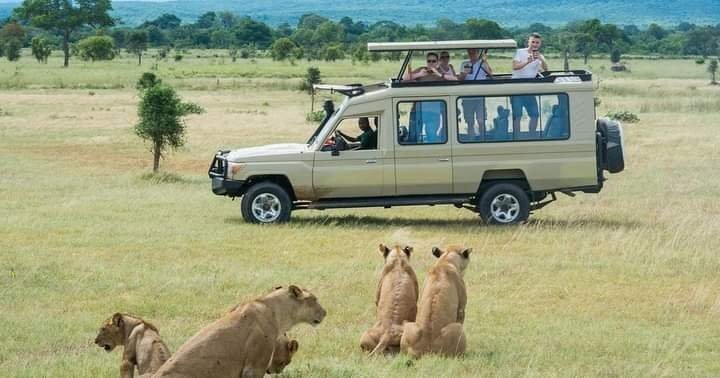
The dry seasons—from July to October and January to March—offer the best game viewing opportunities when animals congregate around water sources. Early morning game drives during these periods give you the best chance to spot big cats, particularly lions, which are most active at dawn [4].
When booking your Kenya safari packages, consider that shoulder seasons offer fewer crowds and exceptional value, allowing you to experience the Maasai Mara's majesty without the peak-season congestion.
The Critical Mistake Most First-Time Travelers Make
Expert guides consistently identify the same pitfall: non-stop game drive itineraries that exhaust rather than inspire [1]. Standard tour operator schedules shuttle you between parks with grueling early starts, long hours on bumpy tracks, and minimal downtime. While game drives are essential for wildlife viewing, this relentless pace causes fatigue and means you'll miss Kenya's diverse experiences beyond the jeep.
The solution? Break up your itinerary with rest days, cultural experiences, and stays in exclusive conservancies. When you book through specialists familiar with Kenya's landscape, they can craft balanced itineraries that reveal the country's true depth rather than racing through blockbuster highlights.
Beyond the Big Five: Discovering Kenya's Hidden Gems
Most standardized safari itineraries reduce Kenya to the same predictable route: Maasai Mara, Amboseli, Lake Nakuru [1]. While these are iconic, Kenya's true diversity extends far beyond. Explore Samburu's unique arid ecosystems, discover Tsavo's vast wilderness, or experience lesser-known reserves that offer intimacy alongside spectacular wildlife viewing.
The Maasai Mara remains Kenya's most iconic ecosystem, but here's an insider tip: stay in the conservancies adjacent to the Mara rather than inside the park itself [1]. These exclusive properties offer fewer vehicles, more personalized experiences, and genuine peace alongside exceptional game viewing. This distinction alone can transform your safari from memorable to life-changing.
Essential Packing: What You Really Need
Clothing and Colors
Pack lightweight, neutral-colored clothing in khaki, brown, beige, and green [3]. Avoid white (it shows dirt immediately) and black (which attracts heat during the day and mosquitoes at night) [3]. Consider convertible trousers with removable, zippered lower legs that double as shorts—a practical choice for fluctuating temperatures [3].
Layering is crucial. Early morning game drives can be surprisingly cold, requiring a warm insulated jacket, fleece sweater, hat, and gloves [10]. As the sun rises, you'll shed layers, and evenings demand long-sleeved shirts and additional warmth [10].
Non-Negotiable Items
- Wide-brim hat and quality sunglasses
- High-SPF sunscreen (apply daily, even on cloudy days) [4]
- Insect repellent (your two must-have items for any safari) [4]
- Comfortable, broken-in walking shoes with closed toes
- Binoculars and a quality camera with extra batteries
- Personal medications and a comprehensive first-aid kit
- Valid passport and required visas
- Travel insurance (absolutely essential)
For coastal visits or hotel pools, pack a swimsuit, but remember that away from beach resorts, swimwear is inappropriate in public spaces [2].
Health, Safety, and Practical Preparations
Health Essentials
Malaria is widespread except in Nairobi and areas above 2,500 meters elevation—consult your doctor about antimalarial medication [7]. Yellow fever vaccination is strongly recommended and required for entry; bring your vaccination certificate [7]. Ensure accommodations are insect-proof and use repellent consistently [7].
Drink plenty of water throughout the day and avoid excessive alcohol, particularly when early wake-up calls begin your game drives [3]. The African sun affects even experienced travelers—sun protection is non-negotiable.
Safety Guidelines
Kenya is safe when traveling with reputable operators using professional guides and trained staff [5]. However, practical precautions matter [4]:
- Avoid walking around Nairobi neighborhoods including Eastleigh and Kibera [4]
- Never walk alone in isolated areas, even during daylight [6]
- Don't walk around camp after dark without escort [3]
- Keep vehicle doors locked and valuables out of sight [7]
- Always follow your guide's instructions—wild animals remain unpredictable regardless of appearance [3]
- Never attempt to pet, approach, or attract animals [3]
- Arrive at destinations during daylight hours [6]
Book with established operators and avoid purchasing safari tours from touts [6]. Your safety depends on professional management and expert local knowledge.
Getting Around: Flights and Transportation
Most international flights arrive at Jomo Kenyatta International Airport near Nairobi. Wilson Airport, approximately 90 minutes away, is Kenya's hub for internal flights to safari destinations [2]. Allow adequate time for airport transfers between international and domestic flights.
Chartered flights offer the best way to avoid Kenya's challenging dirt roads and reach remote lodges efficiently [2]. Your operator will arrange all ground transfers in 4x4 vehicles, ensuring safety and comfort.
The Case for Expert Guidance When Booking
While online booking platforms offer convenience, partnering with Kenya's leading travel specialists—particularly those run by experienced safari guides—unlocks significant advantages. These experts curate packages based on decades of field knowledge, securing exclusive rates and access to premium conservancies unavailable through standard channels.
Our Kenya-based team of expert guides doesn't just arrange itineraries; we design experiences. We handle logistics that first-time bookers overlook, provide 24/7 concierge support, and customize every detail to match your preferences. This personal touch often costs less than booking independently while delivering incomparably better value.
Reserve your safari through travel specialists who understand Kenya intimately and can guarantee your experience exceeds expectations.
Final Wisdom Before You Book
Don't try to see everything—let nature unfold at its own pace, trusting your guide's expertise [5]. Ask questions; guides love sharing their knowledge. Embrace early mornings and rest when needed. Wildlife often wanders through camp during downtime, offering unexpected magic. Most importantly, disconnect to reconnect—limited Wi-Fi in remote areas is a feature, not a limitation.
Your Kenya safari represents more than a vacation; it's a transformative journey into one of Earth's most magnificent ecosystems. Book with confidence, pack thoughtfully, and prepare for an adventure that will redefine your relationship with the natural world.
Ready to Experience This?
Let our local-born guides craft your perfect safari adventure with insider knowledge and personalized service.